Brand Identity vs. Logo Design: What's the Difference?
Learn the difference between brand identity and logo design, why they matter, and how both work together to build a memorable and trusted business.
By Rixlab Agency
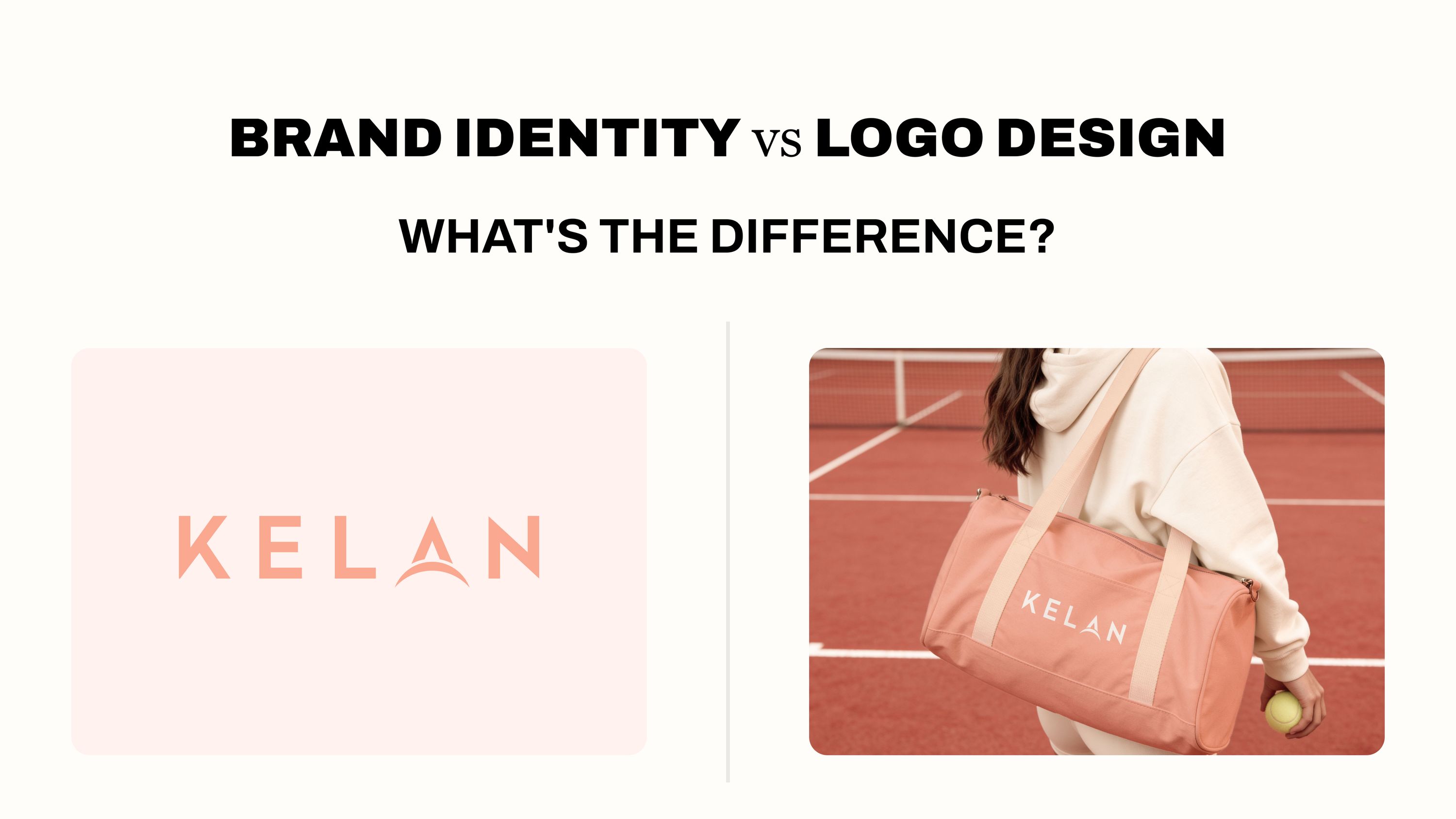
Brand Identity vs. Logo Design: What's the Difference & Why Your Business Needs Both
Walk into your favorite coffee shop with the logo covered.
Would you still recognize the brand?
Maybe it's the warm lighting, the earthy color palette, the packaging, the way the staff greets you, or even the style of the menu. Before you ever notice the logo, you've already formed an impression.
That's branding in action.
One of the most common conversations we have with founders starts with a simple request:
"We need a logo."
After a few questions about their business, customers, competitors, and long-term goals, it becomes clear that what they actually need isn't just a logo. They need a brand identity.
The two terms are often used interchangeably, but they're not the same thing. Understanding the difference can save your business from investing in a visual asset that looks great on day one but struggles to support growth over the next five years.
In this article, we'll explore what a logo really does, what a brand identity includes, and why successful businesses invest in both.
Why This Confusion Exists
It's easy to understand why people mix up logos and brand identities.
A logo is the most visible part of a brand. It's what appears on websites, social media profiles, business cards, packaging, and advertisements. Because it's the most recognizable element, many people assume it's the brand itself.
But imagine describing a person using only their signature.
A signature can identify someone, but it doesn't tell you who they are, what they believe, how they communicate, or what they're like to work with.
A logo works in much the same way.
It's a symbol of a business—not the business itself.
Your customers don't build trust because your logo is attractive. They build trust because every interaction with your business feels consistent, professional, and intentional.
That's where brand identity comes in.
What Is a Logo?
A logo is a visual identifier.
Its primary purpose is recognition.
A well-designed logo helps people quickly identify your business across different platforms and touchpoints.
Whether it's displayed on a website, app icon, product packaging, storefront, or invoice, the logo acts as a recognizable signature.
A strong logo is:
• Simple
• Memorable
• Scalable
• Timeless
• Relevant to the brand
Notice what's missing from that list.
A logo doesn't need to explain everything about your business.
It isn't responsible for telling your entire story.
It doesn't communicate your pricing strategy.
It doesn't define your personality.
It doesn't establish your tone of voice.
Those responsibilities belong to a much larger system.
What Is Brand Identity?
Brand identity is the complete visual and verbal system that shapes how people experience your business.
If your business were a person, the logo would be its signature.
Brand identity would be its personality.
It's how your business looks, sounds, behaves, and communicates across every customer interaction.
A complete brand identity often includes:
• Brand strategy
• Brand positioning
• Logo system
• Typography
• Color palette
• Iconography
• Photography direction
• Illustration style
• Motion principles
• Layout systems
• Tone of voice
• Brand messaging
• Social media guidelines
• Presentation templates
• Marketing assets
• Comprehensive brand guidelines
Every one of these elements works together to create consistency.
Customers may not consciously notice each individual piece, but they absolutely notice the overall experience.
And consistency builds familiarity.
Familiarity builds trust.
Trust drives business.
A Helpful Analogy
Imagine building a house.
The logo is your front door.
It's important.
People notice it first.
But no one buys a house because the front door looks nice.
They care about the architecture.
The structure.
The interior.
The lighting.
The furniture.
The experience of living there.
Brand identity is the entire house.
The logo is simply one carefully designed part of it.
When businesses invest only in a logo, they're essentially decorating the front door before the foundation has been built.
Why Many Startups Get This Wrong
Early-stage founders often work with limited budgets.
That's understandable.
So they search for:
"Affordable logo design."
A designer creates a logo.
Everyone is happy.
The website launches.
Social media accounts go live.
A few months later, problems begin to appear.
The Instagram posts don't look consistent.
Sales presentations all look different.
The website feels disconnected from the product.
Marketing materials vary depending on who created them.
The brand begins to feel fragmented.
Eventually, the company realizes it hasn't outgrown its logo.
It has simply never built a brand identity.
This happens more often than people think.
The cost isn't just visual inconsistency.
It's slower trust, weaker recognition, and more time spent recreating design decisions every time something new needs to be produced.
Your Logo Is the Beginning—Not the Destination
Some of the world's most recognizable companies have incredibly simple logos.
Think about brands like Apple, Nike, Airbnb, or Stripe.
Their logos aren't powerful because they're visually complex.
They're powerful because years of consistent branding have given those symbols meaning.
Without that consistency, they'd simply be shapes.
A memorable brand isn't built by designing a remarkable logo.
It's built by delivering remarkable experiences—again and again—until the logo becomes a shortcut for everything customers already know and trust.
Let's make your next move.
Share what you are building. We will reply within one working day with a clear read on fit, scope, and timing.